
Whitman Lawn Mowing Services
Choose our lawn mowing service for reliable, professional results that keep your yard healthy, beautiful, and hassle-free all season long.
Get a Free QuoteOur Whitman Landscaping & Yard Care Services
When to Schedule Lawn Mowing in Whitman, Massachusetts – Seasonal Guide
In Whitman, Massachusetts, the timing of your lawn mowing routine is shaped by our unique New England climate and the specific characteristics of local neighborhoods like the area around Whitman Town Park and the shaded streets near South Avenue. The growing season typically begins in late April, after the last frost, and extends through October. Early spring mowing helps manage the first flush of growth, while regular summer cuts keep your lawn healthy during periods of high humidity and occasional drought.
Local environmental factors play a significant role in determining the best mowing schedule. For example, lawns in shaded areas near Hobart Pond may require less frequent mowing due to slower growth, while properties with sandy soils or those exposed to full sun, such as those near the Whitman-Hanson Regional High School, may need more attention during dry spells. Staying informed about local weather patterns and municipal guidelines—available through resources like the Town of Sudbury’s website—ensures your lawn care practices are both effective and compliant.
Local Factors to Consider for Lawn Mowing in Whitman
- Tree density and shade coverage, which affect grass growth rates
- Soil type (sandy, loamy, or clay) and its impact on moisture retention
- Terrain and slope, influencing mowing frequency and equipment choice
- Seasonal precipitation and risk of drought
- Local frost dates marking the start and end of the mowing season
- Municipal restrictions or recommendations on mowing times
Benefits of Lawn Mowing in Whitman
Professional Lawn Care Experts
Consistent Scheduling
Enhanced Curb Appeal
Time-Saving Services
Eco-Friendly Practices
Reliable Local Team
Whitman Lawn Mowing Types

Residential Lawn Mowing
-
Commercial Lawn Mowing
-
Seasonal Lawn Maintenance
-
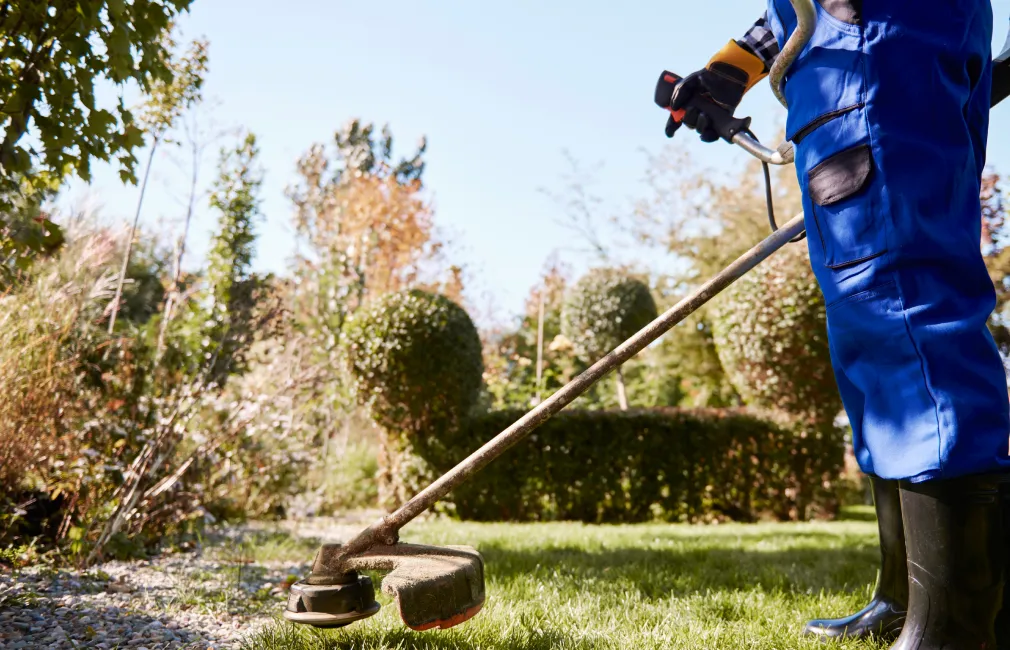
Precision Edging and Trimming
-
Large Property Mowing
-
Weekly Lawn Care Services
-
Eco-Friendly Lawn Mowing
Our Lawn Mowing Process
Site Evaluation
Lawn Preparation
Mowing Execution
Edging and Trimming
Cleanup
Why Choose Whitman Landscape Services
-
Whitman Homeowners Trust Us
-
Expert Lawn Maintenance
-
Reliable Seasonal Cleanups
-
Competitive Pricing
-
Professional Team
-
Satisfaction Guarantee
-
Personalized Service
Contact Whitman's Department of Public Works for Grass Clipping Management & Municipal Composting Programs
Proper management of grass clippings is essential for both environmental compliance and community health in Whitman, MA. Grasscycling—leaving clippings on the lawn—returns 25% of the nitrogen your turf needs, reducing fertilizer use by 25% and supporting sustainable practices. The Whitman Department of Public Works (DPW) oversees yard waste collection from April through November, requiring residents to use biodegradable paper bags only, as plastic bags are prohibited per the Massachusetts Department of Environmental Protection. Compost generated at the Transfer Station is available to residents, but a permit may be required. It is strictly prohibited to dispose of clippings in streets or storm drains, as this constitutes an MS4 violation under the Clean Water Act. Coordination with municipal property maintenance, including Parks & Recreation, ensures compliance and resource sharing.
Whitman Department of Public Works
100 Essex Street, Whitman, MA 02382
Phone: (781) 447-7630
Official Website: Whitman Department of Public Works
Professional Mowing Standards & Turf Health Principles for Whitman's Soil Conditions
Maintaining healthy turf in Whitman requires understanding local soil types and following professional mowing standards. According to the USDA Web Soil Survey, Whitman’s soils include glacial till, sandy outwash, rocky shallow, and marine clay, each affecting drainage and root development. The UMass Extension Turf Program recommends the following mowing heights: 2.5-3.5 inches for Kentucky bluegrass, 2-3 inches for perennial ryegrass, 3-4 inches for tall fescue, and 2.5-3.5 inches for fine fescue, which makes up 50-70% of Massachusetts shade mixes. Always follow the One-Third Rule—never remove more than 1/3 of the blade height at a time. Sharpen mower blades every 20-25 hours of use to ensure clean cuts and reduce turf stress. Whitman’s soils are typically acidic (pH 5.5-6.5), so periodic lime applications may be necessary for optimal turf health. For detailed soil testing, consult the UMass Soil and Plant Nutrient Testing Laboratory.
Whitman Conservation Commission Guidelines for Mowing Near Wetlands & Protected Areas
Lawn mowing near wetlands and protected areas in Whitman is regulated under the Massachusetts Wetlands Protection Act (M.G.L. c. 131, § 40). Activities within 25-50 feet of wetlands, vernal pools, or other resource areas require careful planning and may necessitate filing a Notice of Intent (NOI) or Request for Determination of Applicability (RDA) with the Conservation Commission. Wildlife protection is also critical: avoid mowing in buffer zones during the breeding season for birds (March-August) and when vernal pools are active (March-June). Coordination with the Massachusetts Division of Fisheries and Wildlife ensures compliance with habitat protection standards.
Whitman Conservation Commission
54 South Avenue, Whitman, MA 02382
Phone: (781) 618-9751
Official Website: Whitman Conservation Commission
Whitman Municipal Ordinances for Mowing Equipment Operation & Noise Control
Whitman enforces municipal ordinances to regulate mowing equipment operation and noise. Permitted hours for mowing are 7:00 AM-9:00 PM on weekdays, 8:00 AM-8:00 PM on Saturdays, and variable hours on Sundays—always verify with local bylaws. Equipment must comply with decibel limits and be fitted with functional mufflers; electric mowers are encouraged for reduced noise and emissions. Commercial operators must maintain 1-2 million in liability insurance and hold appropriate licenses. For questions about local enforcement, contact the Building Department or Police Department.
Whitman Building Department/Code Enforcement
54 South Avenue, Whitman, MA 02382
Phone: (781) 618-9752
Official Website: Whitman Building Department
Whitman Police Department
20 Essex Street, Whitman, MA 02382
Phone: (781) 447-1212
Official Website: Whitman Police Department
Seasonal Mowing Calendar & Weather Coordination for Whitman's Climate Zone 5b-7a
Whitman’s climate, classified as USDA Zone 5b-7a, requires a seasonal approach to mowing. According to the National Weather Service Boston/Norton, spring mowing resumes in April-May after the ground thaws, with a frequency of every 4-7 days. In summer (June-August), raise mowing heights by 0.5-1 inch during drought and mow every 5-10 days. Fall (September-November) focuses on maintaining optimal heights and coordinating leaf management. Avoid mowing on saturated soils, especially after spring snowmelt or Nor’easters, to prevent soil compaction and turf damage. Monitoring local weather forecasts helps optimize mowing schedules and protect lawn health.
Stormwater Management & MS4 Compliance: Keeping Clippings Out of Whitman's Storm Drains
Stormwater management is a critical component of lawn care in Whitman, governed by the MS4 program under the Clean Water Act and the Massachusetts Clean Waters Act (M.G.L. c. 21). There is zero tolerance for grass clippings in streets or storm drains, as this can lead to nutrient pollution and blockages. Mulch-mowing and immediate cleanup from impervious surfaces are required. Proper practices can reduce stormwater runoff by 30-40%. For guidance, consult the Massachusetts Department of Environmental Protection and review the MassDEP Stormwater Management Standards. Coordination with the DPW ensures compliance and protects local waterways.
Equipment Standards, Safety Protocols & Professional Certification Requirements
Professional lawn mowing in Whitman must adhere to strict equipment and safety standards. All mowers should feature OSHA-aligned safety devices, such as deadman switches, blade guards, and rollover protection systems (ROPS). Operators must wear personal protective equipment (PPE), including safety glasses, hearing protection, and steel-toe boots. Before any excavation or edging, notify Dig Safe (811) at least 72 hours in advance to prevent utility damage. First aid and CPR certification, as well as documented equipment training, are recommended. Maintenance logs should track blade sharpening every 20-25 hours and regular oil changes to ensure safe, efficient operation.
Dig Safe
11 Dartmouth Street, Malden, MA 02148
Phone: 811
Official Website: Dig Safe
Integrated Turf Management & Environmental Benefits of Proper Mowing Practices
Integrated Turf Management (ITM) combines best mowing practices with environmental stewardship. Grasscycling returns 25% of nitrogen to the soil, reducing fertilizer needs by 25%. Integrated Pest Management (IPM), as promoted by UMass Extension, addresses grubs, diseases, and weeds with minimal chemical input. Healthy turf sequesters 4-6 tons CO₂/acre/year and reduces stormwater runoff by 30-40%. These practices align with Municipal Vulnerability Preparedness (MVP) programs, supporting climate resilience and sustainable landscapes. For technical support, consult the UMass Extension Turf Program.
What Neighborhoods Do We Serve Throughout Whitman, MA?
Lawn care needs vary across Whitman’s neighborhoods, each with unique property and environmental characteristics. The Town Center features smaller lots, mature trees, and historic stone walls, often requiring careful navigation of narrow, colonial-era streets. South Whitman includes larger lots and proximity to wetlands, necessitating compliance with the Wetlands Protection Act and Conservation Commission oversight. East Whitman is known for sloped properties and pollinator habitats, while West Whitman has newer developments with HOA standards and modern infrastructure. Whitman Park District and Whitman Woods are adjacent to protected areas and vernal pools, requiring special attention to buffer zones and wildlife. Across all neighborhoods, coordination with Dig Safe (811), adherence to noise ordinances, and traffic control are essential for safe, compliant operations.
Whitman Municipal Resources for Sustainable Lawn Care & Community Programs
Whitman offers a range of municipal resources to support sustainable lawn care. The UMass Extension and UMass Extension Turf Program provide science-based guidance on turf management and soil health. The Parks & Recreation Department organizes community workshops on grasscycling and organic lawn care, while Tree City USA events promote urban forestry. Whitman’s Green Communities designation and participation in MVP programs reflect a commitment to sustainability. The Massachusetts Audubon Society offers pollinator initiatives and educational resources for residents interested in ecological landscaping.
Whitman Parks and Recreation Department
54 South Avenue, Whitman, MA 02382
Phone: (781) 618-9758
Official Website: Whitman Parks and Recreation Department