
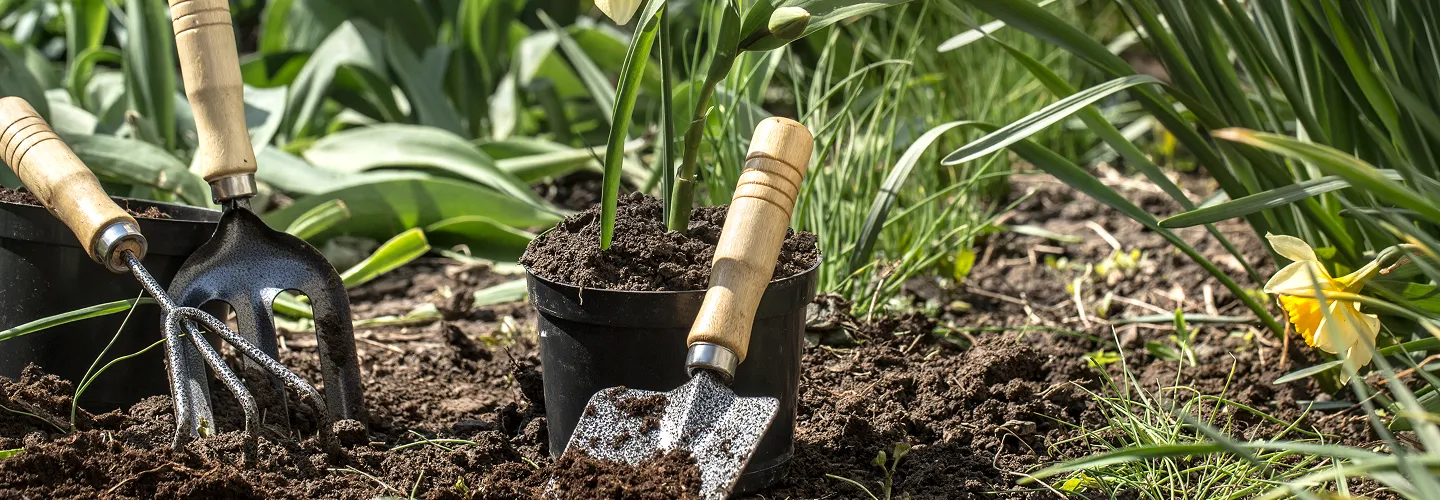
Whitman Flower Bed Maintenance Services
Choose our Flower Bed Maintenance for expert care that ensures your blooms stay healthy, weed-free, and beautifully arranged—so you can enjoy a stunning garden without the hassle.
Get a Free QuoteOur Whitman Landscaping & Yard Care Services
When to Schedule Flower Bed Maintenance in Whitman, Massachusetts – Seasonal Guide
In Whitman, Massachusetts, the best times for flower bed maintenance are closely tied to our unique climate and local landscape features. Early spring, just after the last frost date, is ideal for cleaning up beds, refreshing mulch, and preparing soil for new plantings. Fall is another key window, especially for cutting back perennials and protecting beds before winter sets in. Whitman’s weather—marked by humid summers, occasional drought risk, and cold, snowy winters—means timing is everything for healthy, vibrant flower beds.
Local neighborhoods like the area around Whitman Town Park and the shaded streets near South Avenue often experience microclimates due to tree density and terrain. Soil types can vary from sandy loam to heavier clay, impacting drainage and plant selection. Homeowners should also be aware of municipal guidelines and resources, such as those provided by the Town of Sudbury, to ensure compliance with local landscaping best practices.
Local Factors to Consider for Flower Bed Maintenance in Whitman
- Tree density and shade coverage
- Soil type and drainage characteristics
- Proximity to wetlands or conservation areas
- Seasonal precipitation and drought risk
- Frost dates and temperature fluctuations
- Municipal restrictions or guidelines
Benefits of Flower Bed Maintenance in Whitman
Enhanced Curb Appeal
Weed and Pest Prevention
Healthier Plant Growth
Seasonal Color Variety
Professional Landscaping Expertise
Increased Property Value
Whitman Flower Bed Maintenance Types

Seasonal Flower Planting
-
Weed Control Services
-
Mulching and Soil Conditioning
-
Pruning and Deadheading
-
Fertilization Programs
-
Pest and Disease Management
-
Edging and Bed Redefining
Our Flower Bed Maintenance Process
Site Evaluation
Weed Removal
Soil Preparation
Plant Care
Mulching
Why Choose Whitman Landscape Services
-
Whitman Homeowners Trust Us
-
Expert Lawn Maintenance
-
Reliable Seasonal Cleanups
-
Competitive Pricing
-
Professional Team
-
Satisfaction Guarantee
-
Personalized Service
Managing Whitman’s Flower Beds: Soil Series, Drainage, and Amendment Protocols
Whitman’s flower bed maintenance is shaped by its predominant soils, including the Paxton fine sandy loam and Canton fine sandy loam, as identified by the USDA Web Soil Survey. These soils are moderately to poorly drained, with pH levels typically ranging from 5.2 to 6.2, requiring regular lime application to maintain optimal conditions for perennial and annual plantings. For best results, incorporate 2-3 inches of compost tilled to a 6-inch depth and conduct soil testing every 2-3 years through UMass Extension (test cost: $15-25). Key amendment steps include:
- Lime application for pH below 6.0
- Sulfur for pH above 7.0
- Compost incorporation: 2-3 inches, tilled to 6-inch depth
- Soil test every 2-3 years
Coordination with municipal guidelines is essential for compliance.
Whitman Department of Public Works
54 South Avenue, Whitman, MA 02382
Phone: (781) 447-7630
Official Website: Whitman Department of Public Works
Seasonal Timing and Weather Considerations for Flower Bed Care in Whitman
Whitman’s USDA Hardiness Zone 6b climate, with average last frost in late April and first frost in late October, dictates precise timing for flower bed maintenance. Spring planting is optimal from April 20 to May 30, when soil temperatures reach 50-60°F. Fall clean-up and perennial division should occur September 15 to October 15, before the first frost. The National Weather Service Boston/Norton office provides up-to-date local forecasts to guide scheduling. Key timing guidelines include:
- Spring planting: April 20 – May 30 (soil temp 50-60°F)
- Fall clean-up: September 15 – October 15
- Mulch application: Early May and late September
- Avoid heavy work during June-August heat stress Monitoring weather conditions reduces plant loss and ensures compliance with local maintenance standards.
Municipal Collection, Disposal, and Permit Requirements for Whitman Flower Bed Debris
Proper disposal of flower bed debris in Whitman is governed by municipal collection schedules and local ordinances. Yard waste is collected curbside every Thursday from April through November. Accepted materials include leaves, grass clippings, and brush under 4 feet in length, placed in biodegradable bags or 32-gallon reusable bins. Prohibited items include plastic bags and branches over 4 inches in diameter. For projects involving soil disturbance near wetlands, a permit is required with a 10-business-day review and a typical application fee of $50. Key procedures:
- Weekly yard waste pickup: Thursday, April–November
- Containers: Biodegradable bags or 32-gallon bins
- Prohibited: Plastic bags, large branches
- Wetland buffer: 25-foot no-disturbance zone
- Permit fee: $50; review: 10 business days
Whitman Department of Public Works
54 South Avenue, Whitman, MA 02382
Phone: (781) 447-7630
Official Website: Whitman Department of Public Works
Environmental Compliance: Stormwater, Wetlands, and State Regulations in Whitman
Flower bed maintenance in Whitman must comply with the Massachusetts Environmental Policy Act (MEPA) and the Clean Water Act, as well as local MS4 stormwater permit requirements. It is prohibited to allow soil, mulch, or plant debris to enter storm drains. A 25-foot no-disturbance buffer is required from all wetlands, and fertilizer application is restricted within 50 feet of water bodies. The Massachusetts Department of Environmental Protection oversees state compliance, while EPA Region 1 provides federal oversight. Compliance steps:
- Maintain 25-foot wetland buffer
- No fertilizer within 50 feet of water bodies
- Prohibit debris in storm drains (MS4 compliance)
- Follow MEPA and Clean Water Act standards
- Use only registered products for pest/weed control
What Neighborhoods Do We Serve Throughout Whitman, MA?
- Whitman Center: Features older homes with compacted soils and mature landscaping, requiring careful soil amendment and attention to drainage during flower bed installation.
- South Whitman: Characterized by newer developments with sandy loam soils and larger lots, allowing for diverse perennial plantings but requiring regular mulching to retain moisture.
- East Whitman: Proximity to wetlands and conservation areas necessitates strict adherence to buffer regulations and careful selection of native, moisture-tolerant species.
- West Whitman: Contains a mix of residential and light commercial properties, with moderate tree cover and variable soil pH, making soil testing and amendment essential.
- Whitman Park District: Adjacent to public parks and recreational areas, this neighborhood faces increased deer pressure and requires deer-resistant plant selections and compliance with municipal park maintenance standards.
- Pine Hill: Noted for sloped lots and potential erosion issues, necessitating the use of groundcovers and erosion control measures in flower bed design.
- Auburnville: Features older infrastructure and narrow streets, which can limit equipment access and require manual debris removal and careful scheduling to comply with noise ordinances.